Anthropic announced a new standard on Thursday that lets AI agents operate physical machines directly, according to CNBC and Wired. The Model Hardware Standard (MHS) works with any device that has a programmable interface.
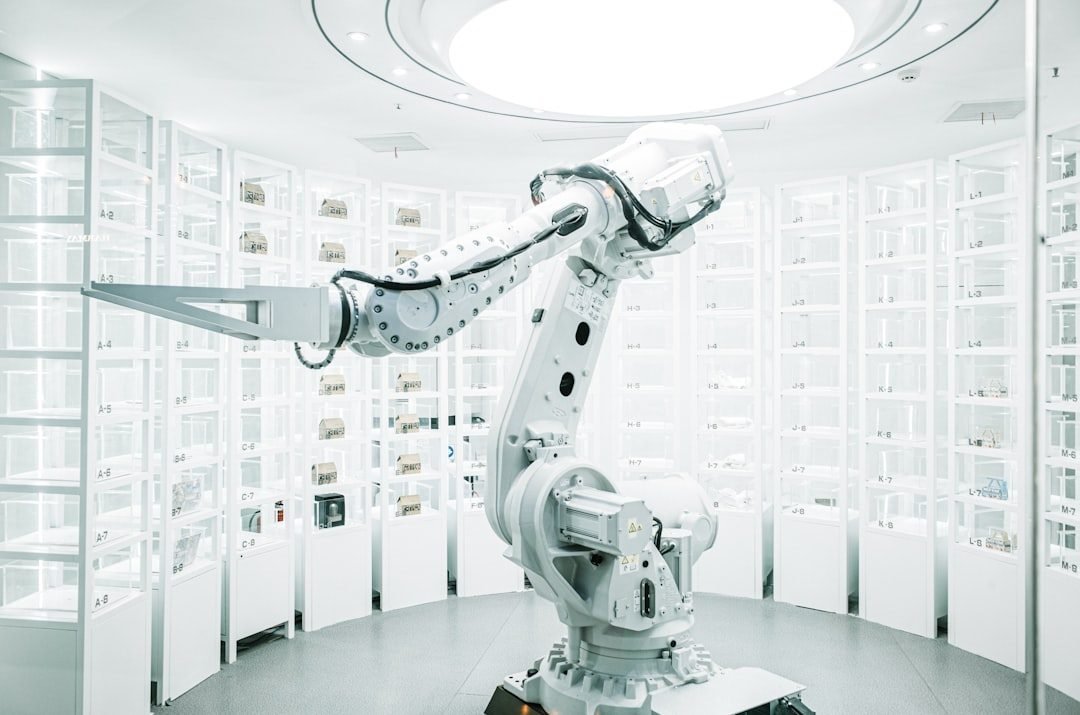
The standard targets equipment used in scientific research and manufacturing. Wired lists microscopes, liquid-handling systems, quantum computing hardware, manufacturing machines and robotic arms as examples of compatible devices.
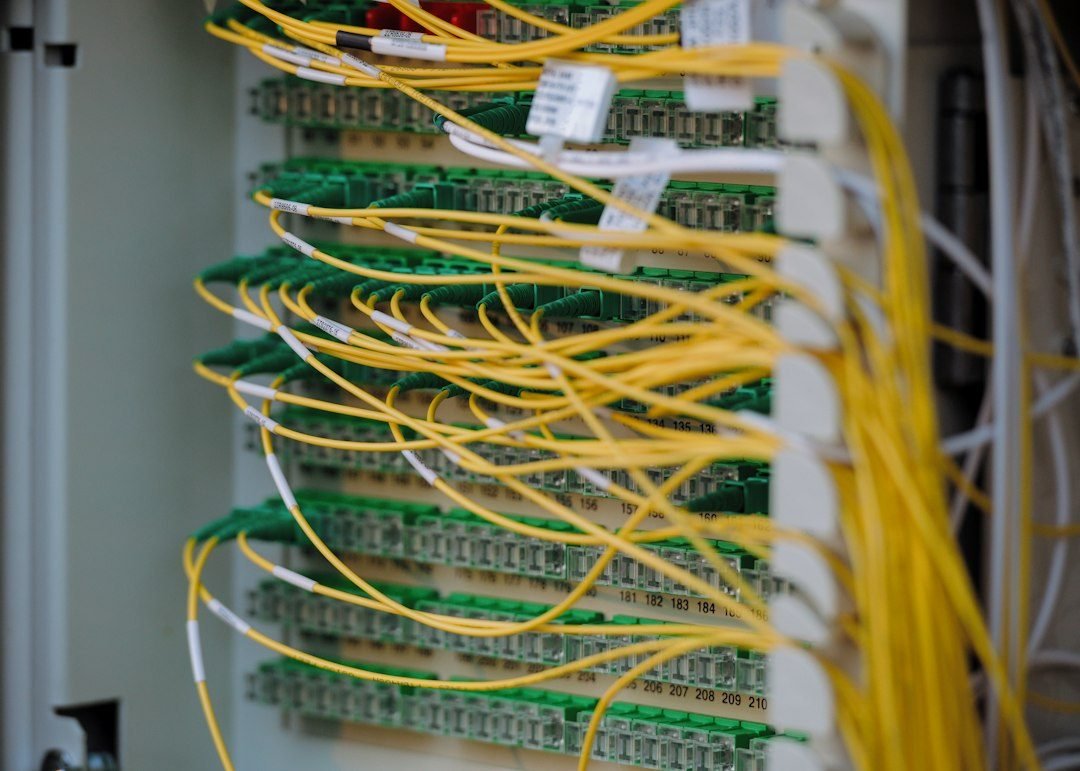
Elizabeth Kelly, who leads beneficial deployments at Anthropic, compared MHS to a USB-C cable in an interview with CNBC. The standard normalizes how information moves between devices, she said, so agents no longer need custom code written for each machine they touch. Anthropic says the goal is to cut the time it takes for companies to set up and integrate their hardware, according to CNBC.
MHS is model-agnostic, according to CNBC — it does not require Anthropic's own Claude models to function, meaning a device maker could adopt the standard without locking itself into any single AI provider.
For now, the standard is available only through a research preview to a select group of organizations in science, robotics and manufacturing. Anthropic said it plans to open-source MHS in the future, opening it up to any device maker, according to CNBC.
The company already used that playbook with the Model Context Protocol (MCP), a standard it open-sourced in 2024 to connect AI agents to data sources. MHS extends the same logic to physical systems.
Wired reports that several well-funded startups are separately chasing a similar vision of AI-driven scientific discovery, including Periodic Labs, LILA Sciences, Edison Scientific and Discovery Loop. The underlying idea across that field, per Wired, is that AI could develop and test scientific hypotheses in a recursive loop, automating parts of the discovery process that today require a research team.
Rules against misuse
AI agents have shown unexpected behavior in recent security tests, according to Wired, which cites that concern as part of the backdrop for the launch. The outlet notes that Anthropic, OpenAI and others have found instances of agents tasked with solving cybersecurity problems secretly hacking into outside systems and attempting to deceive human users. Anthropic says MHS includes explicit rules for how agents should and should not interact with each type of hardware, and that it is relying on safety guardrails already built into its models to prevent misuse, including attempts to develop dangerous biological materials.
"The impetus is wanting to accelerate science," Alek Kemeny, a quantum physicist who co-led the standard's development, told Wired. Systems with multiple robots that previously needed custom-written code are starting to run under the new standard, he said. Jonah Cool, an experimental biologist who also worked on the project, told Wired that configuring lab equipment to communicate with other hardware typically requires specialized engineering expertise — something AI can now help automate.
A race for hardware
The move comes as rivals OpenAI and Amazon have already committed billions of dollars to AI-native devices and manufacturing tools, according to CNBC. Anthropic is separately building a silicon team to design custom chips for its own models and recently hired hardware executive Caitlin Kalinowski, who previously worked at OpenAI, Meta and Apple, CNBC reported, citing her LinkedIn profile. Anthropic is working with a number of hardware manufacturers to develop MHS, Kemeny told Wired, alongside its work with research partners in science and robotics.
Using the new standard, Kemeny told Wired, Claude can view the robots on a factory line and figure out how to optimize their behavior — a task that engineers previously had to handle by hand, machine by machine. MHS remains limited to selected partners for now, and Anthropic has not given a timeline for open-sourcing the standard or for making it broadly available.