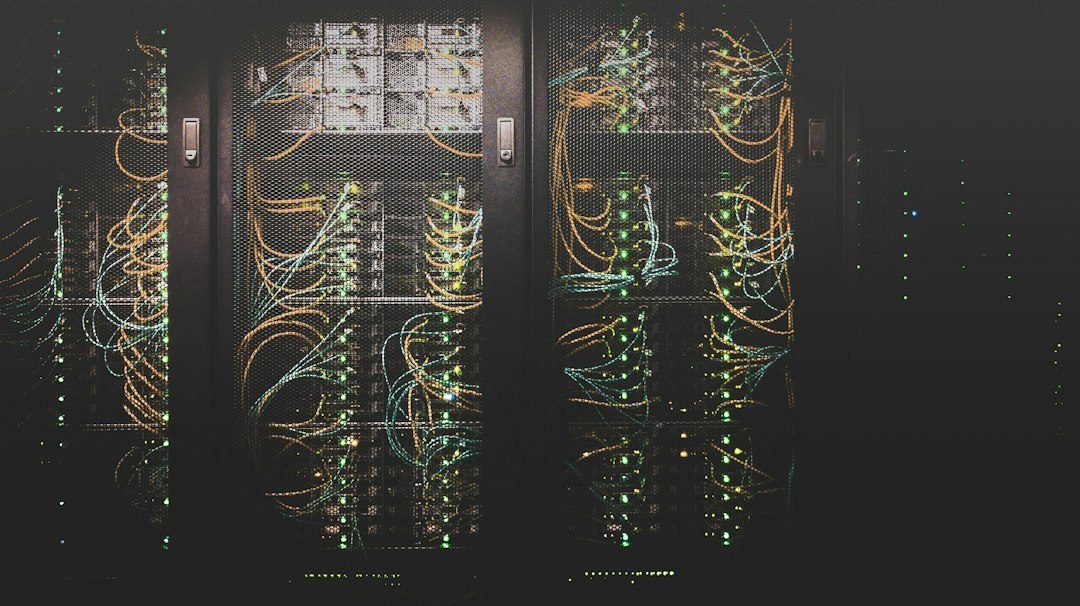
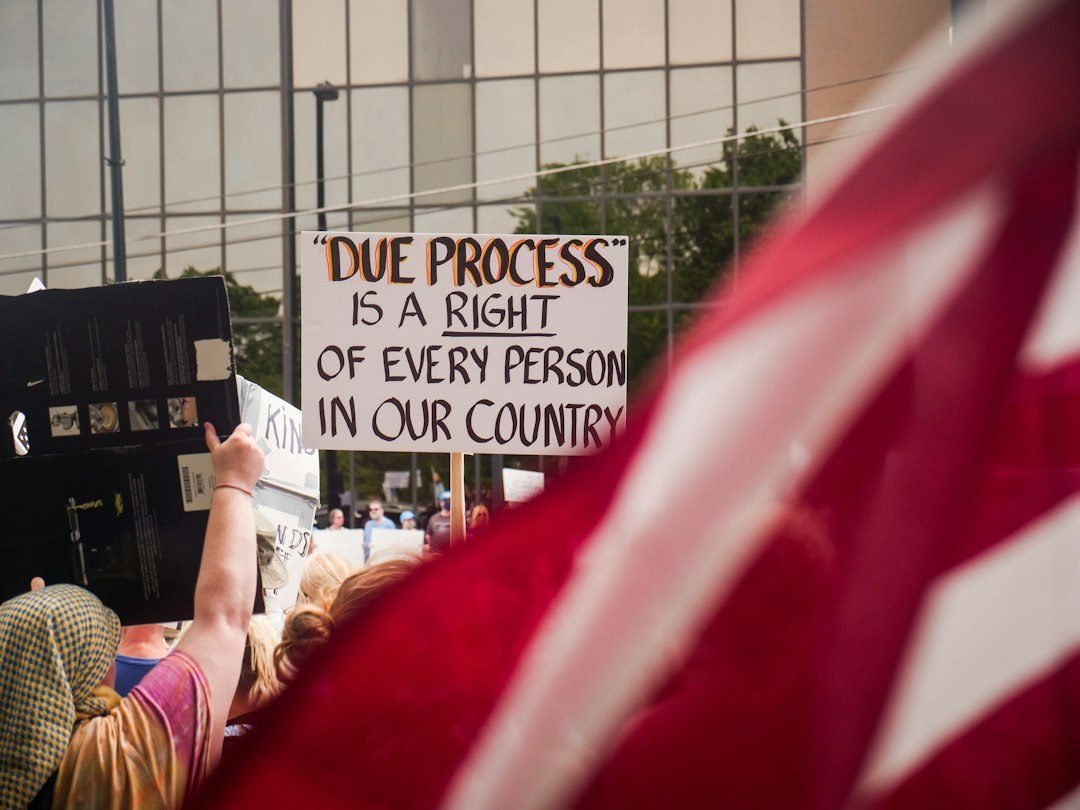
Voters in at least ten US states approved restrictions on artificial intelligence data centers in the November 3 midterm elections, according to CNBC and The Verge. Of the local ballot measures on the issue, only one rejected the proposed restriction: in Harwood, North Dakota.
CNBC described the Harwood measure as one that would have required additional review before city approval of industrial developments, including data centers. Engadget described the same measure as a requirement for public hearings before approving large industrial projects such as data centers over 100 megawatts. Every other municipality that voted on the issue approved the restriction.
The clearest signal came from Ohio, where Democrat Sherrod Brown defeated Republican Senator Jon Husted after branding him "the face of data centers" throughout the campaign, CNBC, Engadget and Wired reported. Ohio hosts more than 200 data centers already built or planned and has been treated by the industry as one of the country's main hubs for AI infrastructure.
In Texas, Democrat Gina Hinojosa unseated Republican Governor Greg Abbott after blaming him for the state's rapid data center buildout, according to CNBC, The Verge and Wired. Hinojosa backs a moratorium on new projects, a position Abbott did not adopt in office. CNBC reported that Democrats who campaigned against data center expansion also won key races in Wisconsin and Georgia; in Georgia, Wired identified the winner as Keisha Lance Bottoms.
A deciding factor for voters
In an NBC News exit poll cited by both CNBC and Engadget, 56% of voters called data centers and AI a "crucial" or "major" factor in their vote.
Texas Democratic Representative Greg Casar, who chairs the Congressional Progressive Caucus, said in a statement quoted by CNBC and Wired that the backlash against data centers was "one of the top issues of the 2026 election" and predicted it would later be seen as "just the early tremor of a much bigger AI earthquake" in American politics. Casar called for AI company executives to testify under oath.
Money flowed into the race too
CNBC reported that crypto, AI and online-gambling interests poured more than $377 million into this election, and that 14 of the 20 largest donor groups backed Republicans almost exclusively. CNBC also reported that Elon Musk, who personally spent hundreds of millions of dollars this cycle, saw most of the candidates he backed lose, and responded on social platform X by writing that "data centers in space looking pretty appealing right now."
Wired reported that industry money did not always buy results. In Wisconsin, Republican Tom Tiffany lost his race despite running ads attacking Democrat David Crowley as "Data Center David Crowley," and Crowley grew more critical of the industry as the campaign went on. In South Carolina, Wired reported that a new industry super PAC called Building the Future spent $1.5 million to back Republican Darline Graham, who still lost to Democrat Annie Andrews, a supporter of a moratorium.
What it means for the AI buildout
The results land as the so-called AI trade was already losing steam on Wall Street, with chipmakers and data-center-linked stocks selling off in October over interest-rate and overspending concerns, CNBC reported. Large AI infrastructure projects, such as the 8-gigawatt campus OpenAI secured in Ohio with SoftBank, SB Energy and Nvidia as backers, depend on local approval, which is exactly where resistance grew this election.
In practice
- The outcome directly affects projects from companies such as OpenAI, SoftBank and Nvidia, which need local approval to expand US data centers.
- Newly elected officials in Ohio, Texas, Wisconsin and Georgia now back moratoriums or tighter rules for new projects, according to CNBC and Wired.
- Of the local measures voted on November 3, only one, in Harwood, North Dakota, rejected the proposed restriction, according to CNBC and Engadget.
- Which specific projects get delayed or canceled is not yet clear, since that depends on local rulemaking in each state.